


Health and Wellness Benefits of Lavender Explained

Last Updated: November 1, 2026
Quick Summary
The health and wellness benefits of lavender center on relaxation and anxiety, with the strongest human evidence for specific oral lavender oil products studied for anxiety. Other claims, including sleep, sore muscles, and skin soothing, rest on weak or preliminary evidence, so treat lavender as a low-risk complement to good habits rather than a treatment.
Inhalation, tea, and topical oil are reasonable for calm and relaxation, though effects are modest.
Dilute topical essential oil to roughly 1% to 2%, about 6 to 12 drops per ounce of carrier.
Patch test a diluted blend on your inner forearm and wait 24 hours before wider use.
Never swallow essential oil, and use oral lavender oil products only under clinician guidance.
Keep essential oils away from pets, especially cats, and avoid closed-room diffusion around them.
Table of Contents
What Lavender Benefits Are Backed by Evidence
Lavender is a flowering herb long used for its scent and calming properties, and the strongest evidence for the health and wellness benefits of lavender centers on relaxation and anxiety rather than cure-all claims. The National Center for Complementary and Integrative Health's lavender safety review notes that studies have suggested an orally taken lavender oil product might be beneficial for anxiety, including anxiety with co-occurring symptoms of depression.
At Bayer Farms, we grow and sell lavender, so we have an obvious stake in the conversation. We also have no interest in overselling it. Lavender smells wonderful, it fits easily into a calming routine, and the research on it is promising in places and thin in others.
How Strong Is the Research, Benefit by Benefit
Evidence quality varies sharply by claim and by the form of lavender used. The table below grades each common claim by the strength of human evidence, notes which forms have been studied, and gives a practical read.
Claimed Benefit | Strength of Human Evidence | Forms Studied | Practical Read |
Calm and relaxation | Moderate, mostly small studies and traditional use | Inhalation, topical, oral tea | Reasonable to try as part of a routine; effects are modest. |
Anxiety support | Limited but promising for specific oral products | Oral lavender oil products | Discuss with a clinician first; not a replacement for treatment. |
Sleep support | Weak to moderate | Inhalation, oral tea, oral products | Best as a scent or pillow aid; evidence is not strong enough to call it a sleep treatment. |
Sore muscles | Weak, largely topical tradition | Topical diluted oil | Dilute well and patch test; do not rely on it for persistent pain. |
Antibacterial action | Lab-level findings | Essential oil in laboratory studies | Not a substitute for hygiene or medical treatment. |
Skin soothing | Preliminary | Topical diluted oil | Patch test first; stop if irritation occurs. |
A 2013 review of lavender and the nervous system discusses the herb's traditionally alleged therapeutic properties, including relaxation, without quantifying outcomes. A 2022 review of lavender essential oil's clinical implications describes reported antimicrobial, anxiolytic, anti-inflammatory, antinociceptive, and antioxidant activity.
Limitations to keep in mind. Many lavender studies are small, short, and use different products, doses, and outcome measures, which makes them hard to compare. Some rely on self-reported outcomes like calmness or sleep quality.
Key Takeaway Treat lavender as a pleasant, low-risk complement to good habits, not a treatment. The strongest human evidence is for specific oral products for anxiety, and even that should be discussed with a clinician.
Our read: treat lavender as a pleasant, low-risk complement to good habits, not a treatment.
Lavender Benefits for Sleep and Relaxation
Lavender benefits for sleep rest mostly on its calming scent rather than on sedative chemistry. Many people find that a lavender sachet or a few drops on a pillowcase makes winding down easier, and that habit costs almost nothing to test. For a ready-made sleep aid, the Lavender Weighted Dream Pillow can be applied to your forehead, eyes, or chest. The catch is expectation: if you approach lavender as a sleep medication, you will likely be disappointed.
It will not knock you out. It will make the last twenty minutes before sleep feel quieter, and for most of us that is the point.
Lavender Tea Benefits and Other Calming Forms
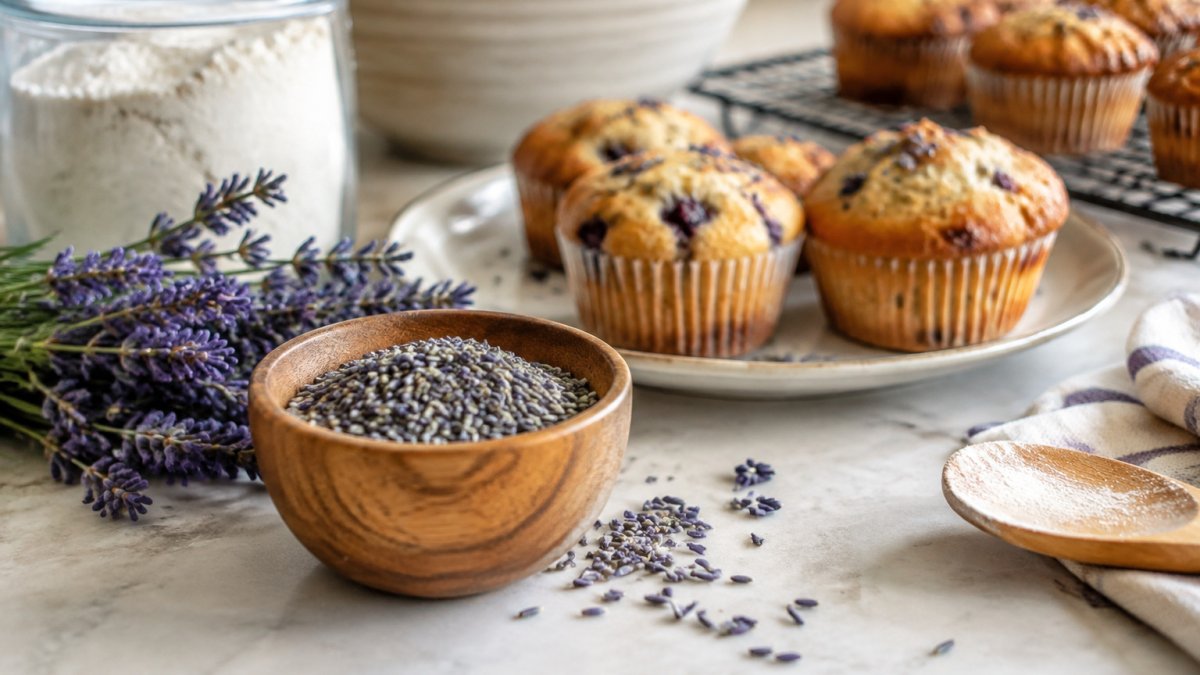
Lavender tea benefits come from the ritual as much as the herb: a warm cup, a slower pace, a reason to sit down. Steeping culinary-grade buds gives you a gentle floral drink that fits an evening routine without caffeine. You can order Melissa - KY Grown Culinary Lavender Buds to steep at home. The key word is culinary-grade, because lavender sold for crafts is not meant for your mug.
A common mistake is steeping too much. Lavender turns bitter and soapy fast, so start with a light hand and adjust.
Lavender Essential Oil Uses for Calm, Skin, and Sore Muscles
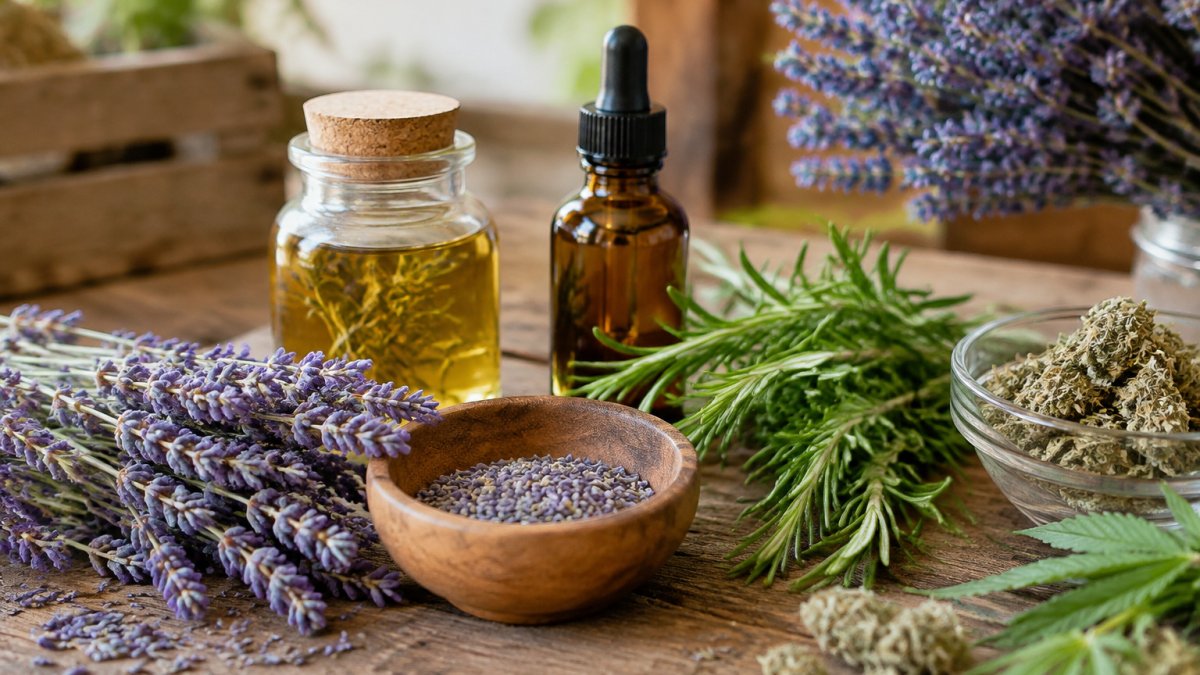
Lavender essential oil uses fall into three buckets: scent, skin, and muscle rubs. The oil is concentrated, so the topical bucket demands dilution in a carrier oil before it touches skin. For scent, a diffuser or a drop on a cotton ball does the job. For a ready-made option, try Golden Lavender Elixir Body Oil for post-shower care or soothing headaches.
If the naming confuses you, our explainer on lavender oil versus lavender essential oil clears up what the labels actually mean before you apply anything.

Dilution and Patch Testing Before You Apply
Dilute first, test second, apply third. Mix a small amount of essential oil into a carrier oil, then dab the blend on your inner forearm and wait a day to see how your skin responds. Watch out: applying undiluted oil directly to skin can cause irritation or a sensitized reaction that makes future exposure worse.
Lavender Side Effects and Safety by Route and Life Stage
Lavender is often described as gentle, but "natural" does not mean risk-free.
Route | Common Forms | Key Cautions |
Inhalation | Diffuser, sachet, pillow | Generally low risk for adults; keep rooms ventilated; avoid continuous high-output diffusion around infants or pets. |
Topical | Essential oil diluted in carrier, body oil, salve | Always dilute; patch test 24 hours before wider use; undiluted oil can irritate or sensitize skin. |
Oral | Tea, culinary buds, oral lavender oil products | Culinary-grade buds for tea are distinct from essential oil; oral essential oil products should only be used under clinician guidance. |
Ingestion of essential oil | Not recommended | Do not swallow essential oil; it is concentrated and not formulated for ingestion. |
Pregnancy and nursing. Aromatherapy with lavender is often described as low risk, but evidence is limited.
Children. Keep essential oils out of reach and never apply undiluted oil to a child's skin.
Pets. Some animals, especially cats, can react poorly to concentrated essential oils. Do not diffuse in closed spaces shared with pets, and keep bottles and sachets away from animals.
Interactions and medical conditions. Lavender may add to the effects of sedatives or other medications that cause drowsiness.
Watch Out This section is general information, not medical advice. Lavender is not a substitute for care for persistent insomnia, anxiety, pain, or other medical conditions.
Ordering Lavender Products You Can Actually Trust
Purity is the question we hear most, and it is fair. Plenty of "lavender" products on the market are mostly filler with a fragrance top note. Ask where the lavender was grown, who processed it, and whether the product is culinary-grade when it is meant for food.
Our products are handmade in small batches or processed in a local Kentucky laboratory.
Frequently Asked Questions
Can lavender tea help with anxiety?
The evidence is limited but not empty. The National Center for Complementary and Integrative Health notes that studies suggest an orally taken lavender oil product might be beneficial for anxiety, including anxiety with co-occurring depression symptoms. That finding applies to a specific oral oil product, not to tea. A 2013 review also discusses lavender's traditionally alleged relaxing properties without reporting a measured outcome. Tea is a gentle, low-risk way to build a calming ritual, but treat it as comfort rather than treatment. If anxiety affects daily life, talk to a clinician.
What are the side effects of lavender?
Most reactions are mild and tied to how you use it. Undiluted essential oil on skin can cause irritation or a rash, so dilute it in a carrier oil and patch test first. Some people report headaches or nausea from strong inhaled scent. Oral lavender oil products can cause digestive upset and may interact with sedatives, so check with a pharmacist before combining them. Keep all essential oils out of reach of children and never swallow essential oil straight from the bottle. Stop using any product that causes a reaction.
Is lavender tea safe to drink every day?
A cup of lavender tea daily is generally well tolerated by healthy adults, though there is no official daily limit set for the herb. Use food-grade lavender, which is grown and handled for consumption, rather than ornamental or craft-grade flowers. Keep the steep short, about 3 to 5 minutes, so the flavor stays floral instead of bitter. If you take sedatives, blood pressure medication, or blood thinners, ask your pharmacist first. Anyone pregnant, nursing, or managing a health condition should check with a clinician before making it a daily habit.
How do people use lavender essential oil for relaxation?
Inhalation is the most common route. Add a few drops to a diffuser, or place a drop on a cotton ball and breathe it in for a minute or two. For pulse-point or massage use, dilute the oil in a carrier such as jojoba or fractionated coconut oil first, then patch test on your inner forearm. A warm bath with a diluted blend works for many people. Keep diffuser sessions short and rooms ventilated, and skip essential oil use around infants and pets unless a vet or clinician says otherwise.
Lavender rewards a realistic approach: use it for calm, scent, and comfort, and keep your expectations honest about what the research supports. If you want lavender you can trace back to a specific field and batch, start with Bayer Farms. Browse our small-batch wellness and home products, our culinary buds, and our body oil, and order online with confidence. Get started with Bayer Farms and bring a little quiet home.
Comments